It’s hard not to become immersed when watching a Gothic horror film. The vibes are often immaculate, the imagery gets stuck like gum in the brain, and when there’s queerness baked into the film, that makes it even better. Many Gothic horror films include vampires, it’s not a new development. And at the end of the day, vampires are incredibly queer and oftentimes there’s outright queer coding in vampire films.
Unpacking horror is something many of us do, as horror is political as well as queer at its core (I recommend watching the Queer for Fear documentary on Shudder). There’s no shortage of queer horror films to watch, but in the case of the following list, we’re going to focus on some sapphic (or coded) Gothic horror films. Otherwise, I’d be here forever discussing queer horror in general, and then we’d really be vampires, right?
Below you’ll find a few horror films you might have seen and maybe some you haven’t. Bear in mind that American Gothic is a subgenre of Gothic horror.
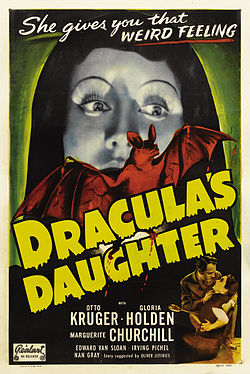
Dracula’s Daughter (1936)
Being Dracula (Bela Lugosi)’s daughter isn’t an easy road to travel and for Countess Zaleska (Gloria Holden), it’s a rollercoaster. Dracula’s Daughter is the sequel to Dracula (1931) and follows Dracula’s daughter, Countess Zaleska as she tries to rid herself of the curse of vampirism. Despite the time in which the film was released, there are outright queer themes within it. Some of which could be seen as negative, but there’s still much to dissect about it.
The film uses Zaleska’s vampirism as a metaphor for her queerness and how she wants to be a “normal” woman. Of course, given the time period, she has to be vanquished as she is a monster. Though, it’s intriguing to look at the film as an example of deep-seated shame, internalized homophobia, and how one’s environment often impacts how they see themselves.
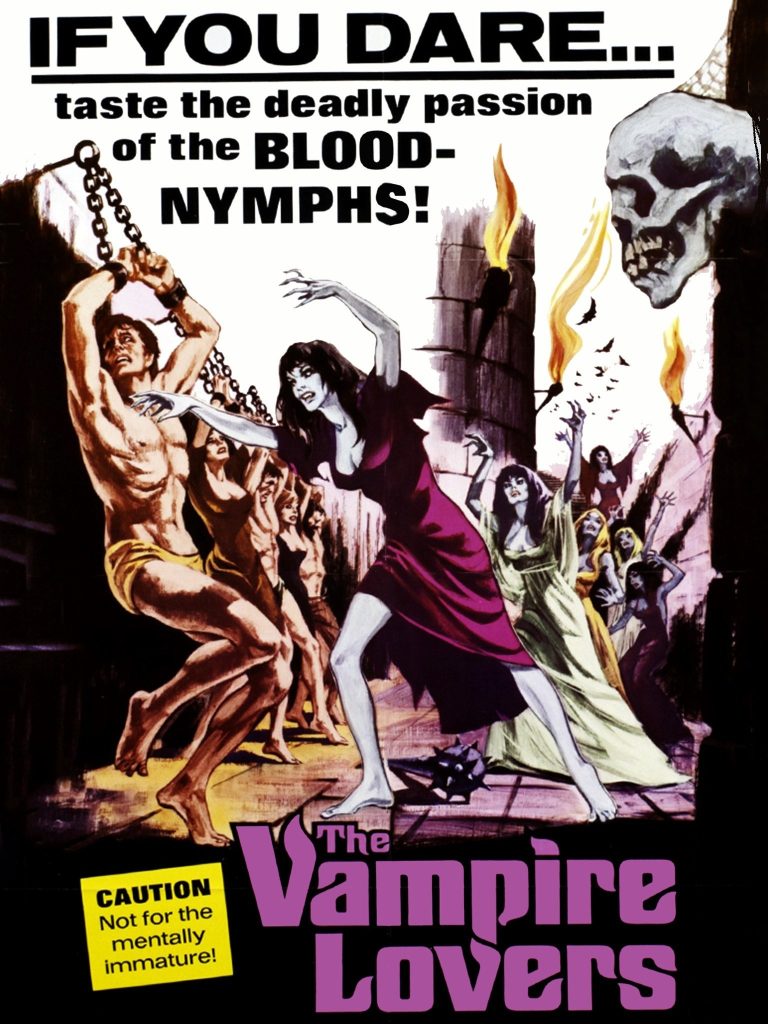
The Vampire Lovers (1970)
There’s being subtle and there’s being explicit, and this film falls into the latter category. The Vampire Lovers follows a sapphic vampire who has a big appetite and takes it out on an 18th century town. There’s a lot of focus on seduction, insatiable hunger, and what it means to indulge in what you truly want. And Marcilla (Ingrid Pitt) wanting the daughter of a wealthy man is something she doesn’t waver on.
The film isn’t rich in terms of its plot and that’s all right; even the name is a bit deceiving for what actually happens throughout. But there’s a certain feeling that radiates from this film, especially since it’s not hiding how queer it is. And with it being a British Gothic horror film, it does have a different feeling to it as a result because non-American horror is distinguishable.
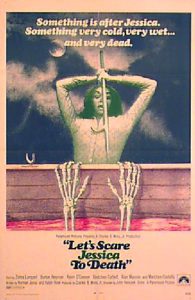
Let’s Scare Jessica to Death (1971)
Let’s scare the audience by showing a husband who seems more concerned about what he wants than his own wife. Let’s Scare Jessica to Death follows a woman who is recently released from a psychiatric facility and moves to a farmhouse, where she meets a woman and allows her to stay with them. The film plays with the heads of the audience, just like it plays with Jessica (Zohra Lampert)’s head throughout.
Let’s Scare Jessica to Death can be considered American Gothic and is certainly a weird horror film to watch. The vampirism isn’t depicted as extraordinarily violent, there’s sapphic intrigue (making it qualify because it’s implied enough), and the film is extremely focused on building paranoia for Jessica as a character. And while it’s not the most exciting horror film, there’s a certain charm that it has as an early 70s film. If that’s something you find yourself interested in, then Let’s Scare Jessica to Death will be suitable.
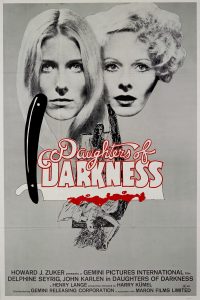
Daughters of Darkness (1971)
Queer awakenings in a lush hotel with a hot countess? Yes. Daughters of Darkness follows a newly-wed couple who meets Countess Bathory (Delphine Seyrig) at their hotel, and their lives change forever. As far as Gothic erotic horror goes, Daughters of Darkness is at the very top for recommendations. It’s a very style-based film, as the plot isn’t a huge focus, and it’s more about the budding connection between the countess and Valerie (Danielle Ouimet).
The film is incredibly queer and very gorgeous to look at, even when the blood doesn’t look realistic (which is part of the charm). Of course, the women are the most interesting characters and Valerie’s husband is the worst (also potentially closeted himself) in terms of personality. Aside from the characters, this film will potentially satisfy people who enjoy vibes and eroticism in their horror films.
The Hunger(1983)
It’s not an exaggeration to say that this film is an iconic goth horror film. The Hunger follows a specialist and a vampire couple who become intertwined. The late David Bowie plays a role in this film as a vampire and if that doesn’t entice you, then it also has Catherine Deneuve as well as Susan Sarandon—both of whom begin a love affair in this film.
Just like some films before it, the film focuses a lot on its visuals and vibes rather than being heavy on plot. Despite how The Hunger is loosely based on the book of the same name, it seemingly does its own thing. And if you like “Bela Lugosi’s Dead” by Bauhaus, then the opening of this film will be top tier for you. Overall, The Hunger is essential viewing if you love Gothic horror, and it’s unapologetically queer as well.
Vanessa Maki is a queer Blerd and freelance writer and artist. She has written for publications like Dread Central, Daily Dead, Fangoria, Screensphere and more. She's a former regular contributor for Pink Advocate as well as The Mary Sue, and currently writes for a few places.